
Mastering Sports Broadcasting: Techniques and Strategies for Success
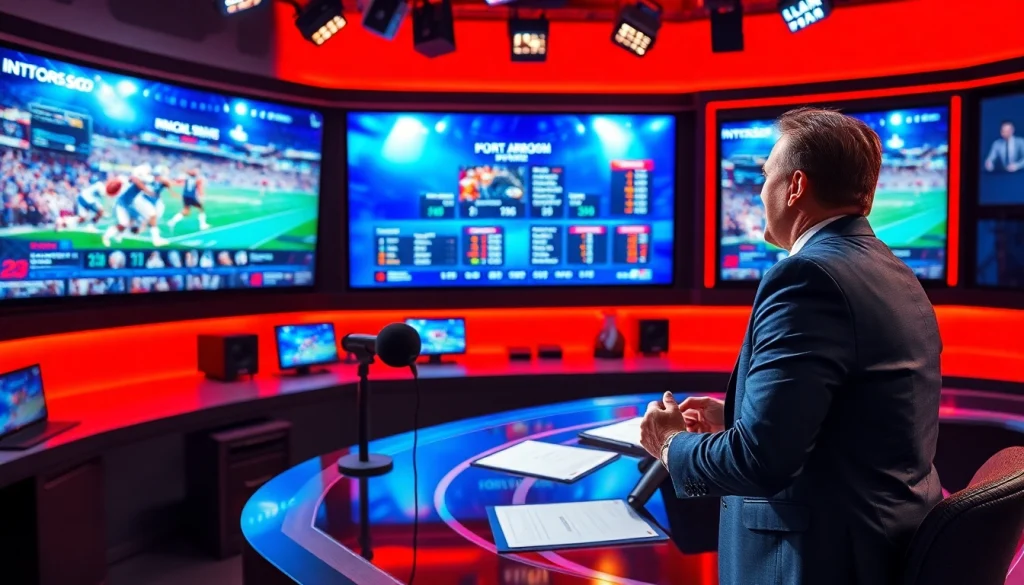
Understanding the Fundamentals of Sports Broadcasting
What is Sports Broadcasting?
Sports Broadcasting is the transmission of sporting events through various media formats, including television, radio, digital platforms, and social media. It involves not just the live coverage of events but also the analysis, commentary, and the storytelling aspect that brings sports to the fans. The goal is to deliver the excitement and drama of live sports to viewers at home or on-the-go, transforming a simple game into a larger shared experience. Effective Sports Broadcasting captivates audiences, feeding their passion for the games while providing insightful analysis and entertainment.
The Evolution of Sports Broadcasting
The advancement of technology has dramatically altered the landscape of Sports Broadcasting. Initially, games were only accessible through radio broadcasts, providing fans with minute-by-minute updates on their favorite teams. The introduction of television revolutionized this medium, offering visual coverage that heightened the fan engagement experience.
In recent decades, sportscasts have morphed again due to the internet, with online streaming services and platforms allowing for on-demand content and interactive features. Mobile applications and social media accounts have further transformed how sports are consumed, allowing fans to engage with content anytime and anywhere.
Key Roles in Sports Broadcasting
A successful sports broadcast involves a multitude of professionals, each playing a distinct role. Key figures include:
- Commentators: They provide play-by-play narration and analysis.
- Analysts: They dissect plays and provide insights into strategies used in the game.
- Producers: They coordinate all aspects of the broadcast, ensuring that everything runs smoothly.
- Camera Operators: They capture angles that enhance the viewing experience.
- Social Media Managers: They engage fans online before, during, and after events, amplifying reach and interaction.
Techniques for Effective Sports Broadcasting
Engaging the Audience
Engaging today’s diverse audience requires innovation and strategic planning. Broadcasters must develop captivating content that resonates with viewers, which can involve:
- Storytelling: Personal stories from players and teams can create emotional connections.
- Interactive Features: Implementing polls, quizzes, or live tweets during the game can keep audiences involved.
- Special Segments: Features that summarize the week, provide player interviews, or analyze plays add layers to the broadcast.
Using Technology to Enhance Broadcasts
Modern sports broadcasting heavily relies on technology to enhance viewing experiences. Innovations such as high-definition video, 360-degree cameras, and augmented reality (AR) overlays provide deeper engagement. For example, real-time statistics can be integrated into the broadcast, giving viewers additional context as they watch.
Moreover, graphics and animations help illustrate complex plays, while instant replay technology enables viewers to see pivotal moments from multiple angles, increasing the depth of their viewing experience.
Voice and Presentation Skills
Voice modulation and presentation skills are crucial for sports broadcasters. A compelling voice can convey excitement and urgency, handling the pacing based on the game’s dynamics. Presentation skills also encompass body language, facial expressions, and the ability to engage with co-commentators and guests, ensuring a seamless show flow. Continuous practice and feedback are essential for improvement in these skills.
Challenges in Sports Broadcasting
Handling Live Events and Unexpected Situations
Live sports can be unpredictable, with unexpected incidents ranging from injuries to technical failures. Sports broadcasters must be adept at managing these moments with poise and professionalism. Having a well-prepared contingency plan is critical, allowing hosts to adapt quickly, filling gaps with insights and commentary until the situation is resolved.
Maintaining Viewer Interest
With an abundance of sports coverage available across various platforms, broadcasters face fierce competition for viewer attention. To maintain interest, broadcasters must focus on:
- Innovative Content: Create unique segments that stand out from conventional coverage.
- Fan Interaction: Allow fans to voice their opinions and participate in the broadcast.
- Quality Production: Ensure every broadcast maintains high visual and audio quality.
Staying Updated with Sports Trends
Sports are constantly evolving, and so are the trends surrounding them. Broadcasters must stay informed about new rules, player movements, and cultural shifts within sports to provide accurate and timely information. Subscribing to industry newsletters, participating in discussions, and attending events can keep broadcasters ahead of the curve.
Innovations Shaping the Future of Sports Broadcasting
Impact of Streaming Services
Streaming services have disrupted traditional broadcasting models, offering fans the flexibility to watch their favorite sports on their own terms. This shift requires broadcasters to adapt by providing content that is easily accessible on multiple devices and integrating subscriber services into their offerings.
Virtual Reality in Sports Broadcasting
Virtual reality (VR) is at the forefront of innovation, offering immersive experiences that traditional broadcasts can’t match. VR technology allows fans to experience games from different perspectives, making them feel as if they are part of the action. As VR technology continues to develop, it could transform how fans engage with sports, representing an exciting direction for future broadcasts.
Data Analytics and Viewer Engagement
Data analytics now plays a crucial role in understanding audience behavior and preferences. By analyzing viewership metrics, broadcasters can tailor their content to meet audience needs, optimizing their programming based on viewer demographics and feedback. Implementing analytics also aids in measuring the effectiveness of various broadcast strategies, allowing for data-driven decision making.
Measuring Success in Sports Broadcasting
Key Performance Indicators for Broadcasters
To assess the effectiveness of sports broadcasts, professionals often rely on various Key Performance Indicators (KPIs). Essential KPIs include:
- Viewership Ratings: The number of viewers and their demographics.
- Engagement Metrics: Interaction rates on social media platforms and web traffic.
- Advertiser Satisfaction: Feedback from advertisers regarding ad performance during broadcasts.
Audience Feedback and Adaptation
Continuous improvement hinges on the ability to adapt to audience feedback. Broadcasters should regularly solicit viewer opinions through surveys and social media interaction to understand what resonates most. Incorporating audience suggestions into programming decisions can increase viewer loyalty and engagement.
Best Practices for Continuous Improvement
Every broadcaster should establish a routine of self-assessment and improvement. Maintaining an open dialogue among broadcasting teams, investing in training programs, and staying current with industry advancements can significantly enhance broadcast quality. Engaging with industry peers at conferences and workshops also fosters ongoing learning and adaptability.
FAQs
What skills are essential for a sports broadcaster?
Essential skills include strong communication, knowledge of sports, adaptability, and audience engagement techniques.
How do streaming platforms affect sports broadcasting?
Streaming platforms have revolutionized sports broadcasting by providing on-demand access and personalized viewing experiences.
What technology is used in modern sports broadcasting?
Modern sports broadcasting incorporates high-definition cameras, drones, augmented reality, and data analytics to enhance viewer experience.
Can anyone become a sports broadcaster?
Yes, with passion, training, and practice in communication and sports knowledge, anyone can pursue a career in sports broadcasting.
How can broadcasters maintain viewer interest?
Broadcasters can maintain interest by storytelling, engaging commentary, incorporating viewer interaction, and using interactive media.